The Priority Pass Can Be Useful for Airport Lounge Access and Dining, But Benefits Can Vary
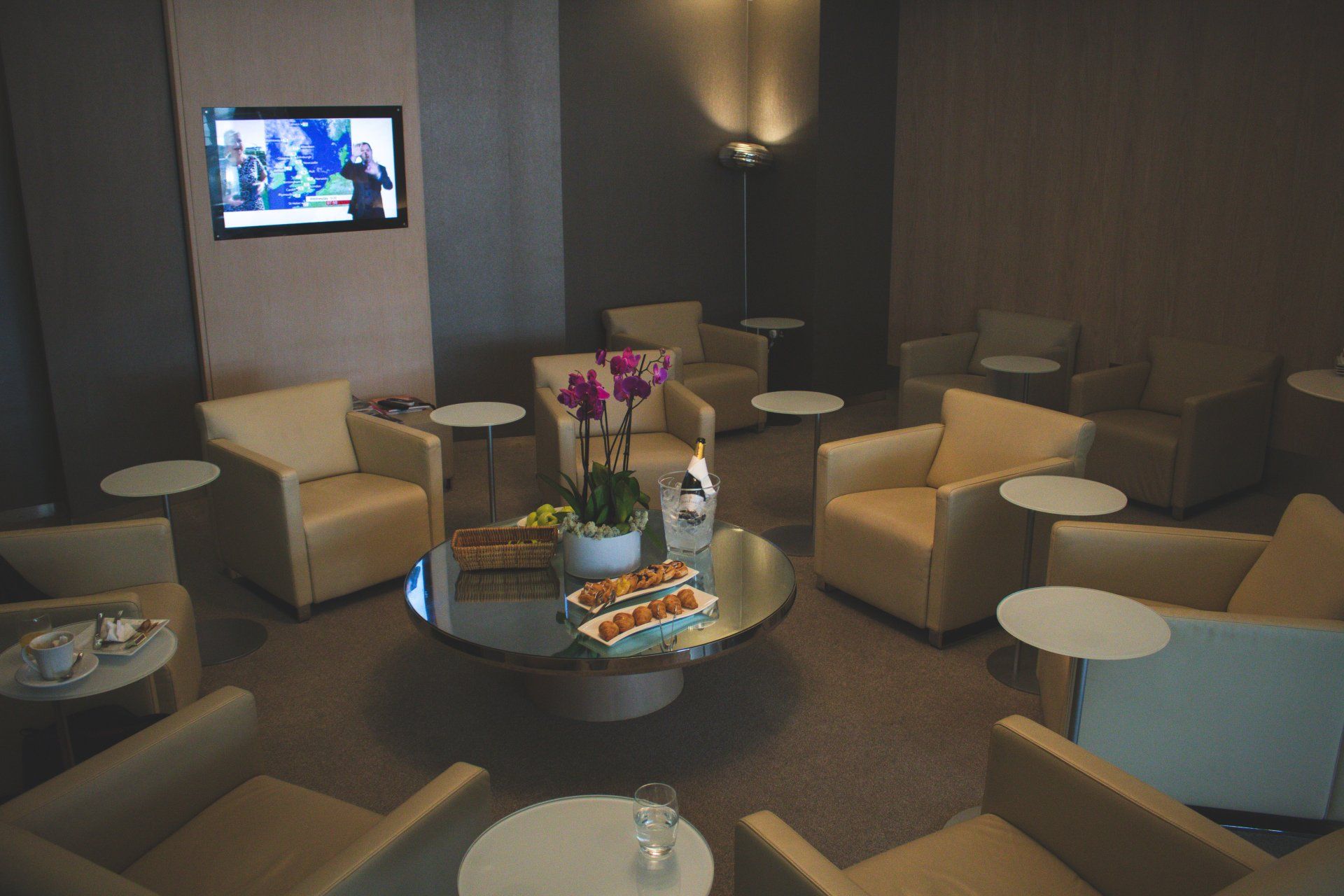
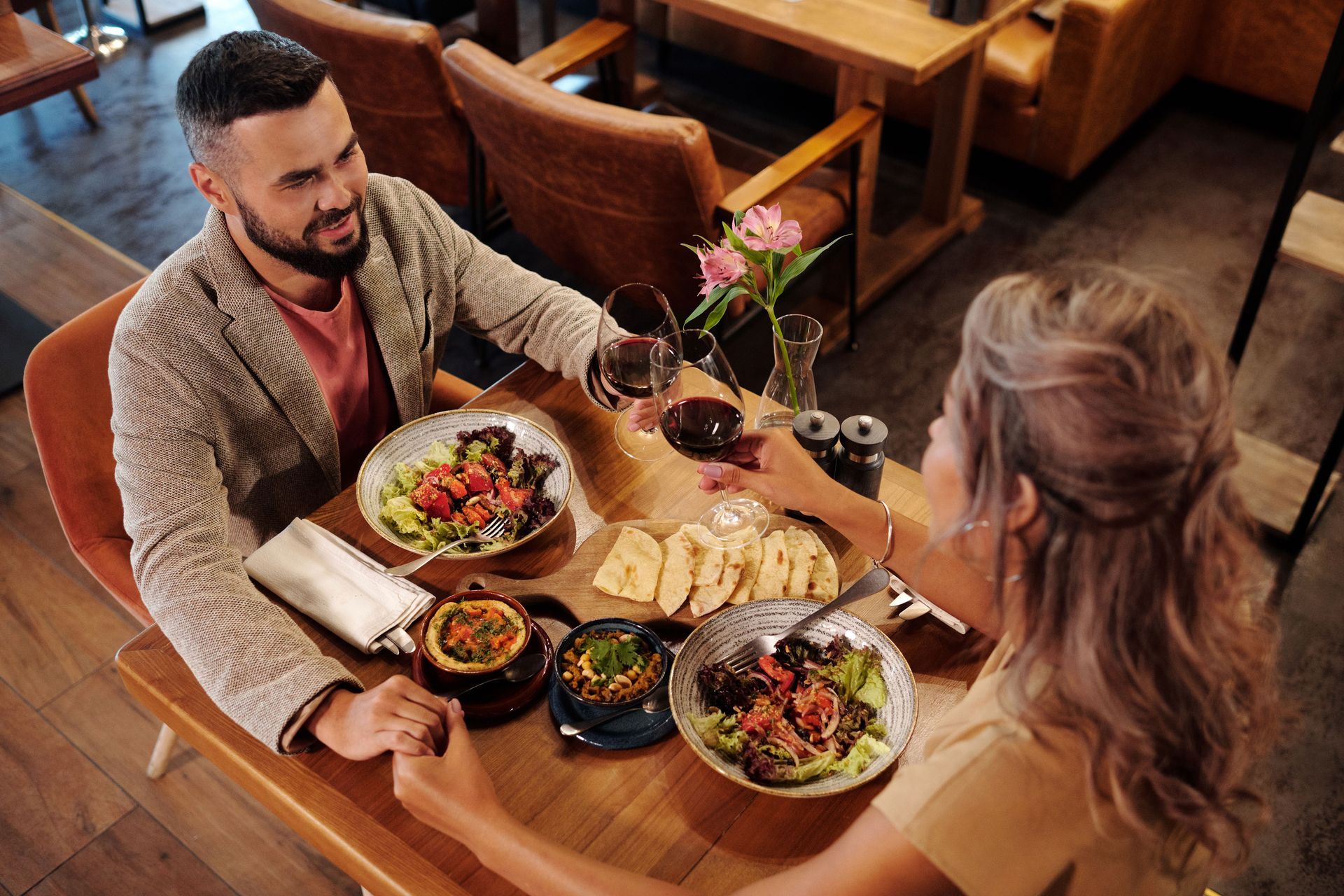
The Priority Pass is a program which gives members access to a network of over 1400 airport lounges and experiences worldwide (including 150+ in the US and Canada). This program allows even passengers flying on economy class tickets an escape from the crowds and chaos of today’s airports. Also, in some airports, the Priority Pass offers a $28 credit at participating restaurants. (There is a full restaurant list below.)
While the Priority Pass can provide tremendous value for air travelers, they come in different forms offering different benefit levels. The goal of this post is to quickly break down the pros and cons of different options so you will know if a Priority Pass is right for you and how you might go about getting one.
Direct Purchase from Priority Pass
You can buy three levels of Priority Pass directly from their website:
Standard ($99)
After paying $99 for one year, you can utilize the pass for $35 per visit. You can also take guests for $35 per visit.
Standard Plus ($329)
You pay $329 for a one-year membership and this includes 10 visits for the member. After that, visits are $35 each. All guest visits are $35 per visit.
Prestige ($469)
For this version, after paying $469, the member gets one year of unlimited visits. Guest visits are $35 each.
__________
Personally, I do not see the value of the first two options. The putative value of a visit is $35 but a visit could be stopping in for 20 minutes to get a cup of coffee and a cookie or sitting down for a light meal and a beer and working for two hours. With the first option, you have effectively paid for three visits before having the ability to start paying $35 per visit. With the second option, you are paying an average of $33 per visit for the first 10 visits and then the price of subsequent visits goes up. Also, in both cases, you are losing money if you opt for the $28 restaurant credit since the use of the Pass is costing you $33-35 per visit.
If buying directly from Priority Pass, it would seem that the Prestige level membership might be of use for some travelers if they used it enough (perhaps twice a month or more). Before spending almost $500, it would be worthwhile to visit the Priority Pass website to make sure that airports you are likely to use during a one-year membership have lounges and restaurants in the Priority Pass network.
A direct purchase from Priority Pass might not be optimal for most air travelers (at least in my opinion). That leads to the option of:
Acquiring a Priority Pass as a Benefit of a Credit Card
Several credit card issuers offer cards that include some form of the Priority Pass as a perk. I say “some form” because there are different versions of the priority pass and the issuers do not do the best job of explaining these differences. The key difference is that some of the Priority Passes included as benefits allow the cardholder to use the lounges
and eat at the restaurants in the network. However, some Priority Passes offered as a card benefit are limited to the lounges so, with those, you do not get the $28 credit at participating restaurants.
One key advantage of these credit card related passes is they often allow you to bring up to two guests at no additional charge.
These are the cards that include a Priority Pass and the specifics:
Chase Sapphire Reserve ($550 annual fee)
This card comes with the version of Priority Pass that includes access to restaurants in the network. Better yet, authorized users (AUs) can be added for $75 each and each authorized user gets a Priority Pass membership. This is a great option for those who can utilize the restaurants and want to share this specific benefit with other members of their household.
Capital One Venture X ($395 AF)
The Priority Pass you get with the Venture X does not include restaurant access. However, you can add authorized users at no charge which means the AUs also can have lounge access.
American Express Platinum Card/Business Platinum ($695 AF)
The Priority Pass included with these Platinum Cards is limited to lounges. You can add AUs for $195 (personal Platinum) or $300 (Business Platinum) each.
American Express Marriott Bonvoy Brilliant ($650 AF)
The included Priority Pass is limited to lounges.
American Express Hilton Surpass Card ($95 AF)
The included Priority Pass is limited to 10 lounge visits per year.
Although this is the most limited version of the Priority Passes available, it is also the least expensive way to get lounge access as the card’s annual fee is $95. And, of course, the card offers a signup bonus and other perks.
___________
Even though the Chase Sapphire Reserve is the only credit card offering a Priority Pass that includes the $28 credits at participating restaurants, this benefit is only useful if you travel through airports with these restaurants. Otherwise, the Priority Pass offering only access to lounges might be all you need.
Airports with Restaurants Participating in Priority Pass
Participating restaurants change frequently and are always being added or deleted so these lists may not be 100% current.
There are over three dozen participating restaurants at 25 airports in the United States. Numbers in parentheses denote airports with multiple participating restaurants.
- Atlanta
- Baltimore
- Boston (3)
- Cleveland
- Dallas/Ft. Worth
- Denver (2)
- Detroit
- Ft. Lauderdale
- Houston G. W. Bush (2)
- Indianapolis
- Little Rock
- Miami
- Minneapolis
- Nashville
- New York JFK
- Portland, OR (3)
- Providence
- St. Louis
- San Francisco (4)
- Seattle (3)
- Syracuse
- Tampa
- Tucson
- Washington Dulles
- Washington National (2)
Also, there are over 40 participating restaurants in airports outside of the United States (with 17 in Australia!!).
- Berlin
- Brisbane, Australia (3)
- Buenos Aires (One each in AEP and EZE)
- Canberra, Australia (2)
- Coimbatore, India
- Hong Kong
- Lima Peru (2)
- London Gatwick
- London Heathrow (3)
- London Luton
- Melbourne, Australia (3)
- Nagoya, Japan (2)
- Osaka, Japan (2)
- Papeete, French Polynesia
- Phnom Penh, Cambodia999
- Queensland, Australia (OOL)
- Sao Paolo, Brazil (2)
- Singapore (4)
- Sydney, Australia (8)
- Taipei, Taiwan (2)
As the post-COVID travel rebound has made air travel and airports as hectic as ever, airport lounges can offer respite and refreshment. Annual memberships offered by airlines for their lounges can come with a price tag of $600 or more and you can only use them when flying with that airline. The Priority Pass offers an affordable alternative, especially if acquired as a credit card benefit, that might be appropriate. When creating a Travel Rewards Optimizer plan for clients who might benefit from lounge access, we take this possibility into consideration.
We are ready to help you turn your routine credit card spending into the travel of your dreams.